
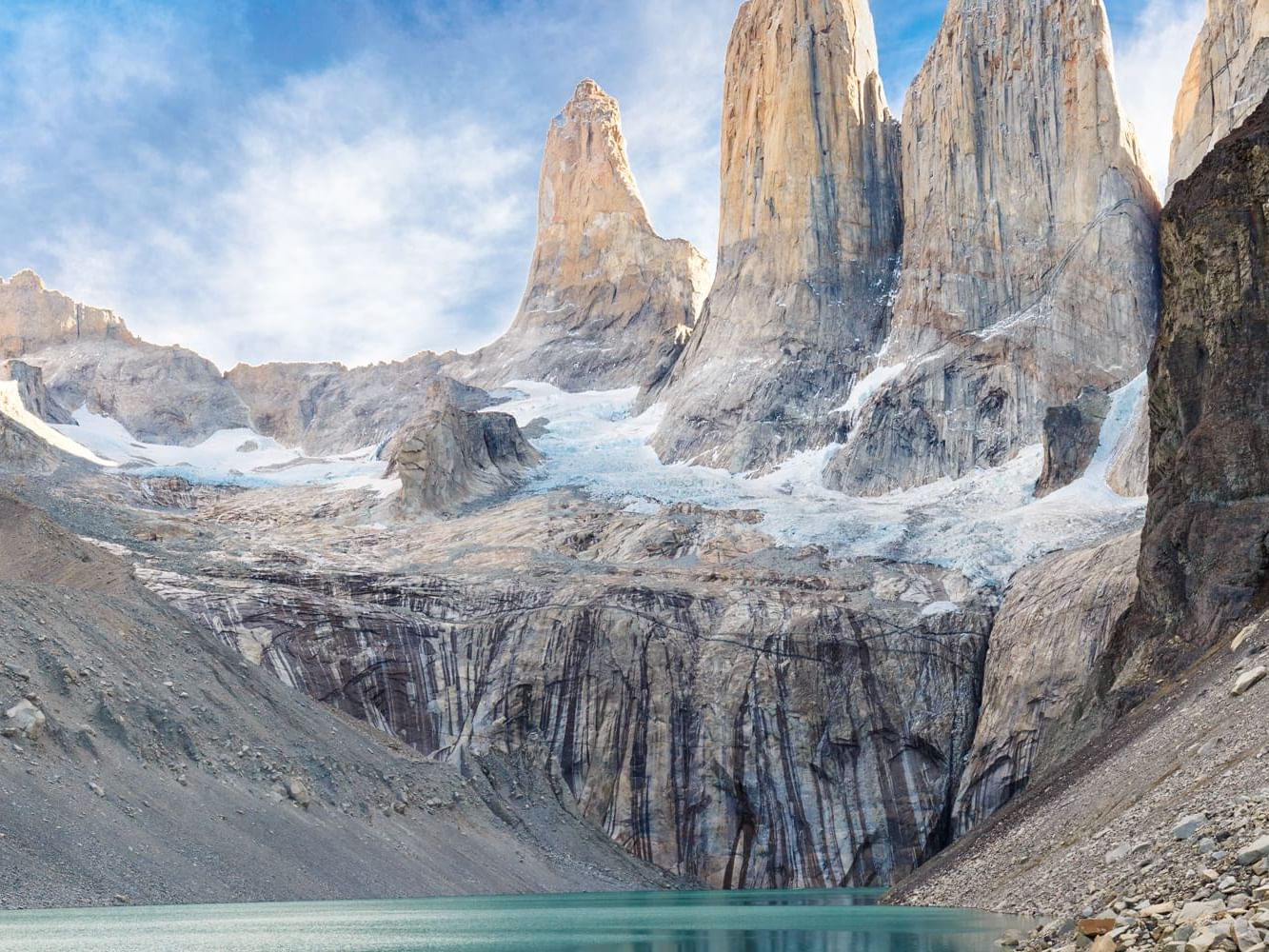
Torres del Paine
Located 154 kilometers from Puerto Natales, Torres del Paine National Park spans 227,298 hectares of stunning geography, featuring towering massifs, pristine forests, and turquoise lakes. The park is also known for its strong winds and endless panoramic viewpoints, making it a paradise for nature lovers.
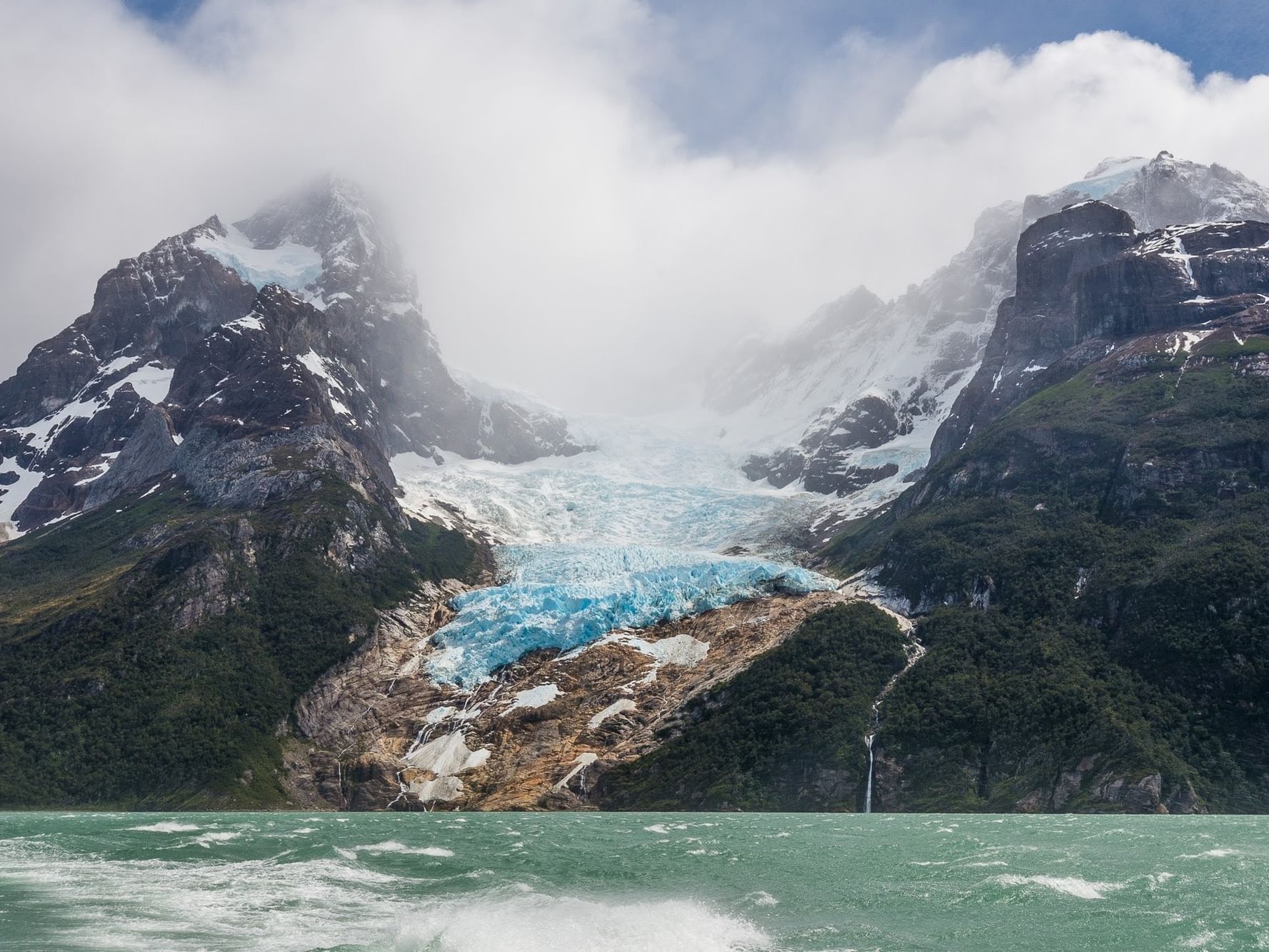
Balmaceda & Serrano Glaciers
Found in the southern part of Bernardo O’Higgins National Park, Chile's largest park at 3.5 million hectares, the Balmaceda and Serrano glaciers are surrounded by majestic mountains, waterfalls, and abundant Patagonian wildlife.
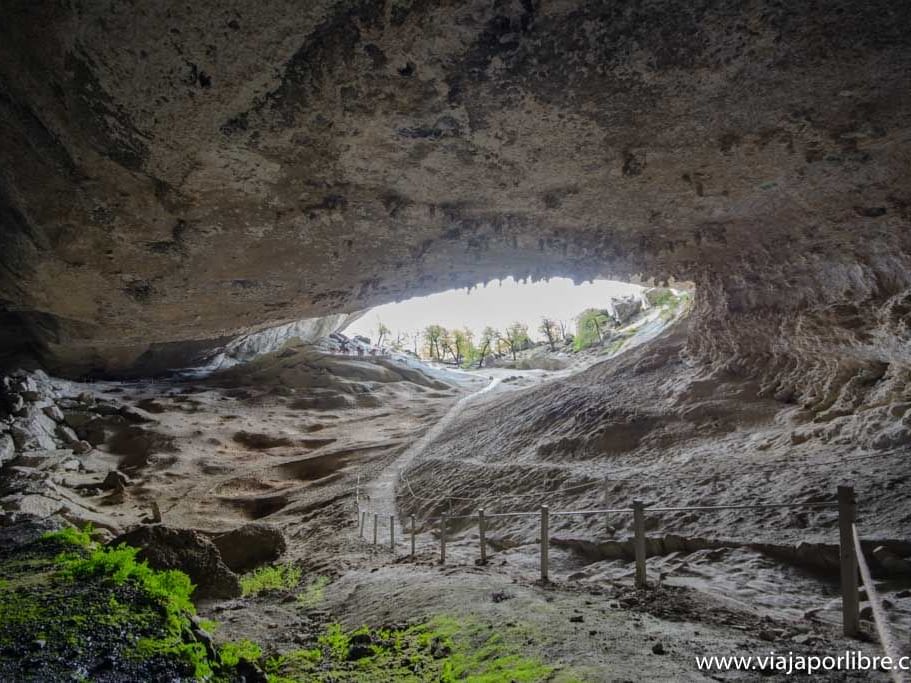
The Milodon Cave
Located 25 kilometers north of Puerto Natales, the Milodon Cave Natural Monument consists of three large caves where the remains of milodons, extinct herbivorous mammals, were discovered. The site was first explored by Hermann Eberhard, one of the region’s early adventurers.
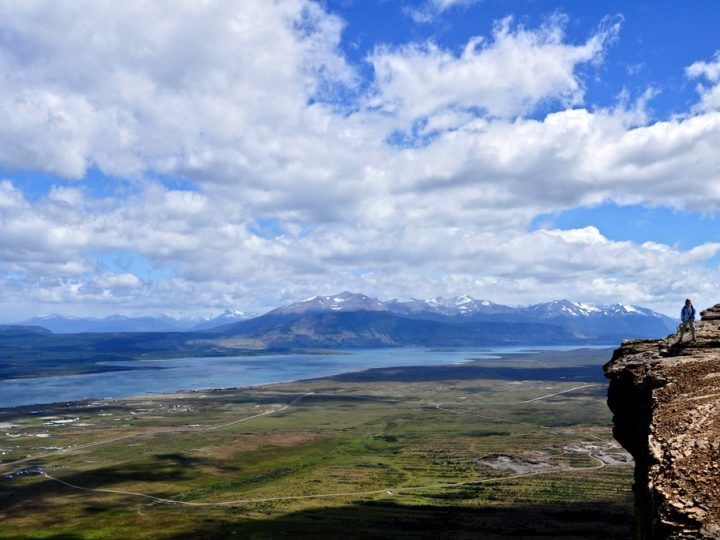
Dorotea Hill
A 2-kilometer trail through forests and meadows leads you to the summit of Dorotea Hill at 800 meters, offering stunning views of Puerto Natales, the Última Esperanza Fjord, the Almirante Montt Gulf, and the Patagonian steppe stretching into Argentina.
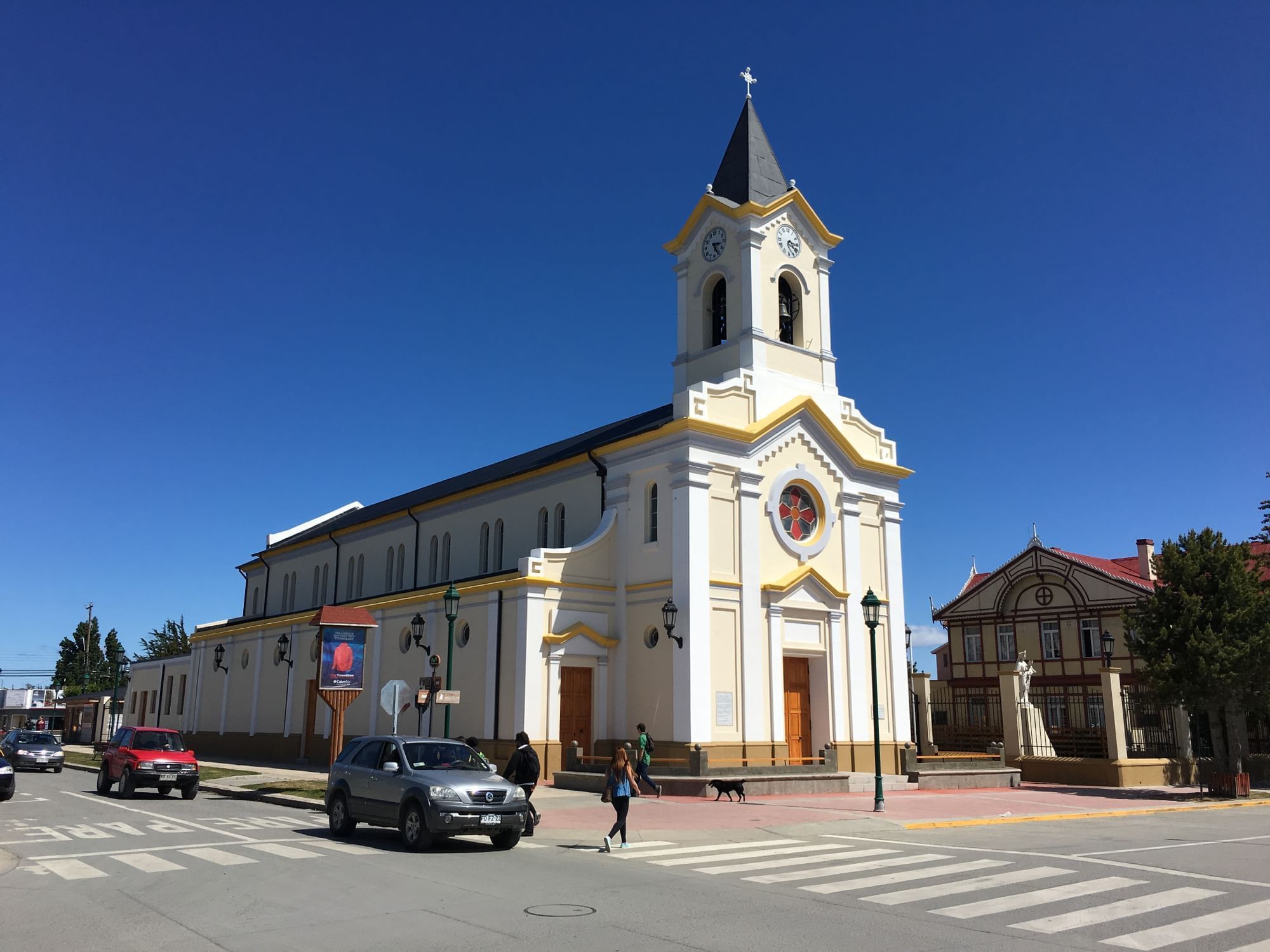
Maria Auxiliadora Church
Standing at 30 meters tall, the Maria Auxiliadora Church in Puerto Natales is a local landmark, featuring an electromechanical clock of German origin at the top of the church. It’s located on Hermann Eberhard Street, directly across from the Plaza de Armas.
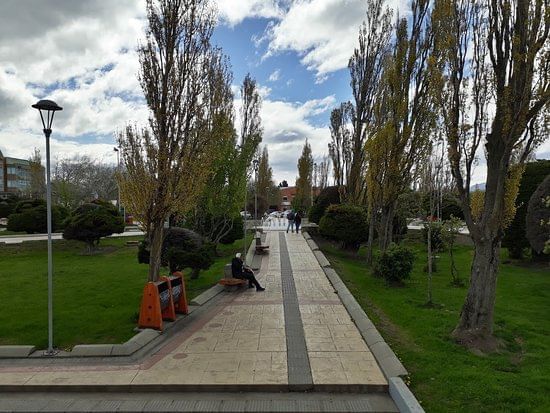
Main Square
The Plaza de Armas in Puerto Natales is one of the most significant landmarks in the city. Surrounded by major streets, it is a central gathering place for the local community and a key meeting point, alongside the waterfront.
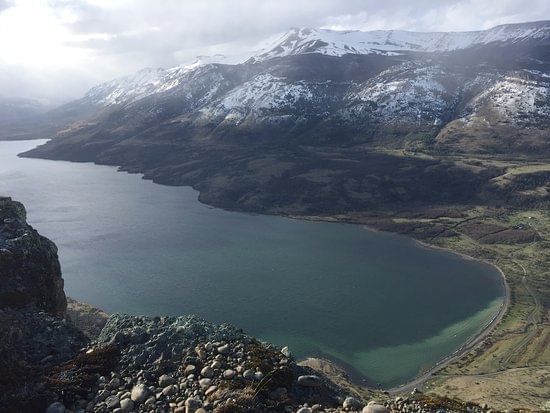
Sofía Lake & Benitez Hill
Just 20 kilometers from Puerto Natales, Cerro Benítez borders the beautiful Sofía Lagoon. The hill is named after Midshipman Alejandro Benítez, who participated in an 1879 expedition to Última Esperanza led by Chilean Navy Captain Ramón Serrano Montaner.
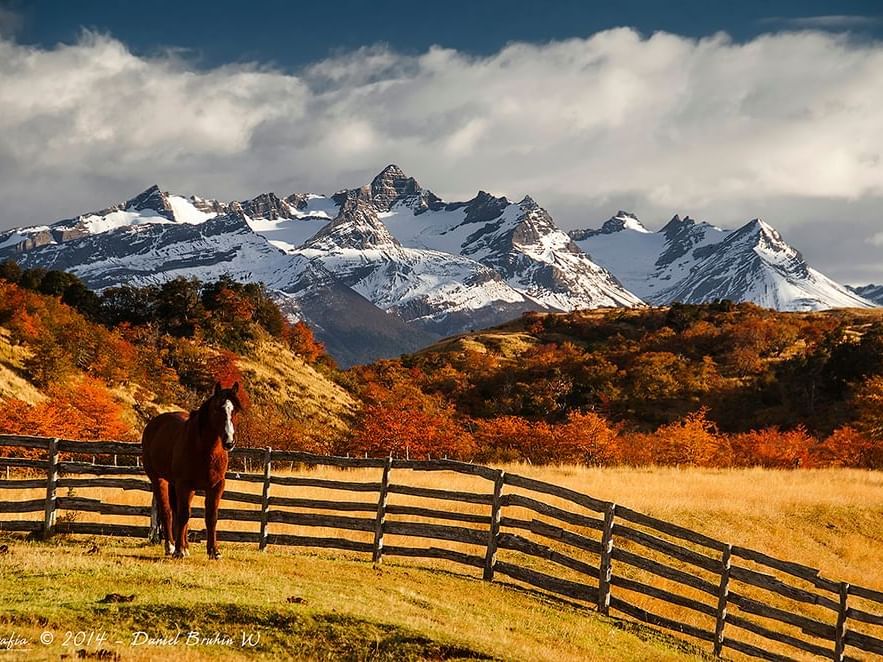
Estancia La Península
A boat ride through the Última Esperanza Fjord brings you to Estancia La Península, surrounded by fjords, mountains, steppes, and the Balmaceda Glacier. This picturesque estancia offers some of Patagonia’s most breathtaking views.
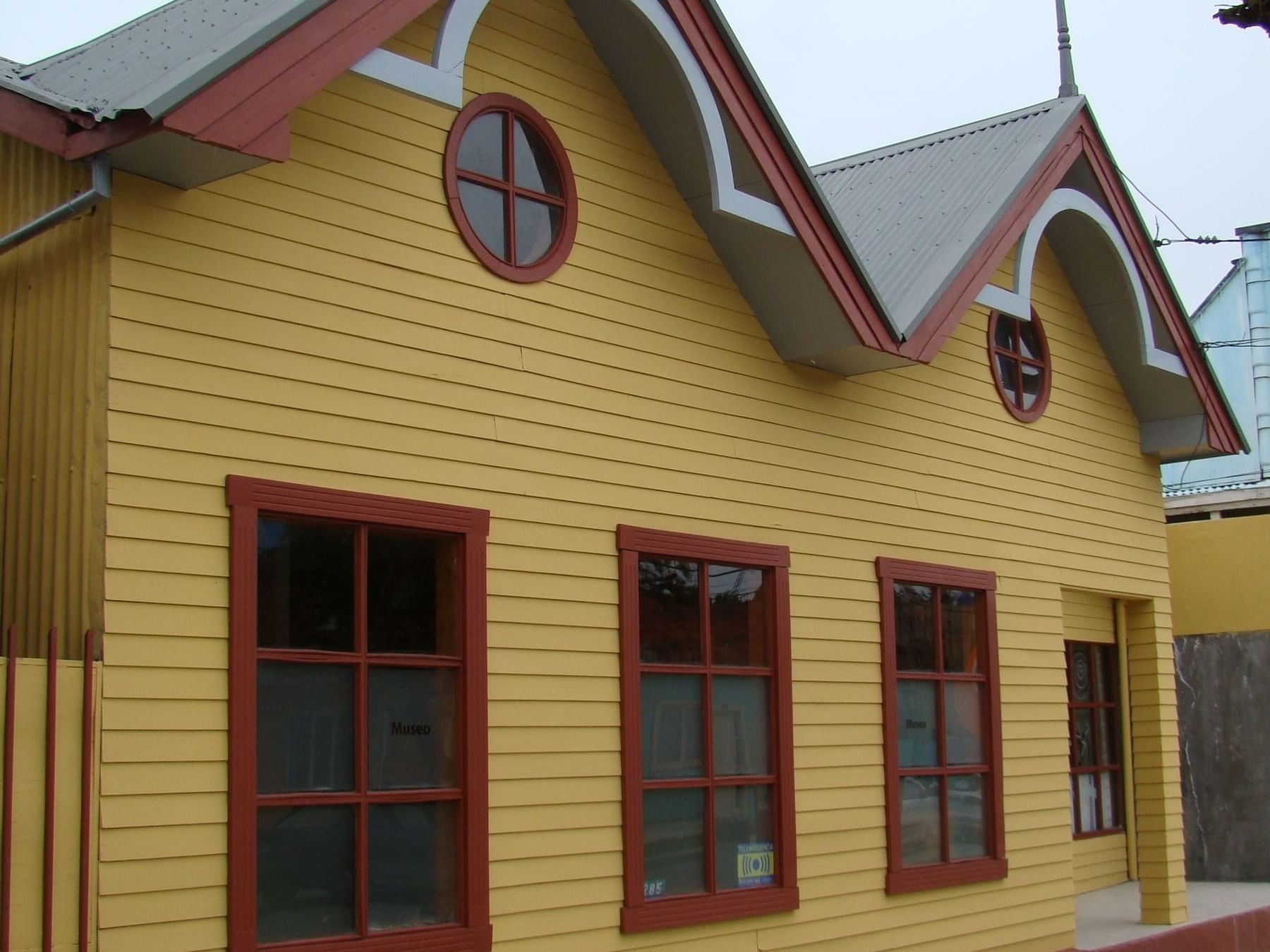
Historical Museum
Founded in 1990 by the Chilean Police with the help of local residents, the Historical Museum in Puerto Natales houses collections that tell the region’s story and preserve its rich heritage.
